A glass water bottle feels like a quiet rebellion against throwaway habits. It sits on your desk, rides in your bag, and somehow makes water taste cleaner. Early on, many people bump into this choice while thinking about health, daily routines, or even unrelated habits like commercial cleaning standards at work, where hygiene and material safety matter more than people admit.
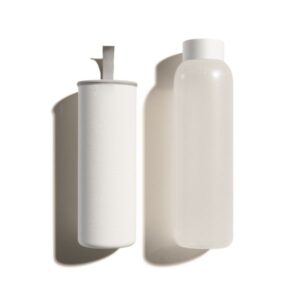
Glass has weight. Literally and figuratively. It doesn’t leach odd flavors. It doesn’t whisper chemicals into your drink. What you pour in is what you get out. Simple math.
Why Glass Feels Different in Daily Use
Plastic bottles age badly. Scratches show up. Smells linger. One day, your water tastes like yesterday’s coffee. Glass skips that drama. It stays neutral. It stays honest.
There’s also a small ritual aspect. Filling a glass bottle feels intentional, like choosing fresh bread over packaged toast. That tiny pause changes habits more than motivational quotes ever will.
The Hygiene Angle People Forget
Glass plays nicely with heat. Hot water, cold water, ice cubes clinking like wind chimes—no problem. That matters if you’re picky about cleanliness. A quick rinse isn’t enough for many materials, but glass handles soap, hot water, and even dishwashers without sulking.
Weight, Fragility, and Real-World Trade-Offs
Yes, glass can break. That’s the tax. But modern designs often add silicone sleeves that absorb shock and improve grip. It’s like putting good tires on a car instead of blaming the road.
Weight is another factor. Some like the heft. It feels grounded. Others prefer lighter carry. That choice is personal, like coffee strength or music volume.
Taste Is Where Glass Wins Quietly
Ask anyone who switched and waited a week. The difference sneaks up on you. Water tastes flat in plastic afterward. With glass, flavors stay crisp. Lemon stays lemon. Mint stays mint. No ghost notes from last Tuesday.